
8 Essential Historical Sites in Berlin You Don’t Want to Miss
Berlin is a city rich in historical sites that provide glimpses into its diverse past.
The Brandenburg Gate stands as an iconic symbol of unity and freedom, while remnants of the Berlin Wall and the vibrant murals of the East Side Gallery serve as powerful reminders of the city’s divided history.
The Checkpoint Charlie Museum offers insights into the Cold War and daring escape attempts. Additionally,
Museum Island showcases world-class museums with artifacts and art representing various historical periods.
Exploring these sites allows visitors to immerse themselves in Berlin’s captivating history and appreciate its resilience and transformation over time.
The Berlin Wall
The Berlin Wall, built in 1961 by East Germany, was a physical barrier that separated East Berlin from West Berlin during the Cold War.
It represented the division between communist Eastern Bloc countries and the democratic West. Families were torn apart, and people were prevented from escaping to the West. However, on November 9, 1989, the wall was breached, marking the end of the Cold War and leading to Germany’s reunification.
Today, fragments of the wall stand as reminders of Berlin’s divided history and the eventual triumph of unity over separation.
Checkpoint Charlie
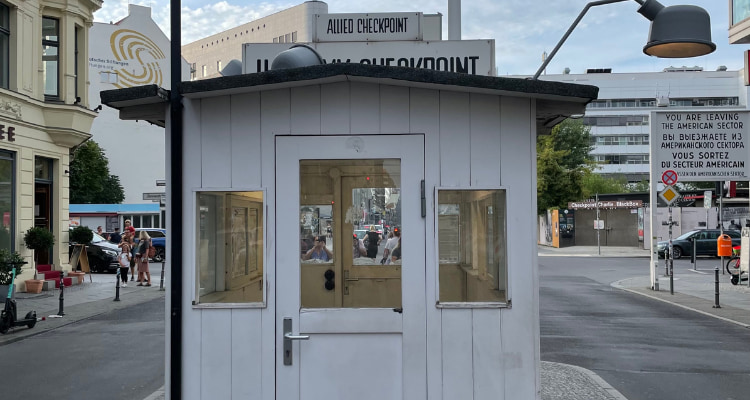
Checkpoint Charlie, located in Friedrichstraße, was a powerful symbol of the divided Berlin. Today, a replica of the guardhouse stands, reminding visitors of its historical significance.
The Checkpoint Charlie Museum explores the checkpoint’s history and the experiences of those affected by the division. A visit offers a glimpse into the tense atmosphere and aspirations for freedom during the Cold War era.
Brandenburg Gate
The Brandenburg Gate, located in Pariser Platz, is a historic and iconic symbol of Berlin. Built in the late 18th century, it has witnessed significant moments in German history. During the Cold War, it stood in the heavily fortified “death strip” and became a potent symbol of division.
However, following the fall of the Berlin Wall, the gate became a symbol of unity and reunification.
Today, the Brandenburg Gate stands as a powerful testament to Berlin’s resilience and transformation, representing freedom, peace, and the city’s journey from a divided past to a united future.
Berlin Cathedral
Berlin Cathedral, a magnificent architectural gem on Museum Island, symbolizes Germany’s rich history. Its grand dome, intricate details, and lavish interior captivate visitors.
Ascending the dome offers breathtaking city views. Berlin Cathedral is a cherished destination, inviting visitors to immerse themselves in history, marvel at its beauty, and appreciate Berlin’s architectural legacy.
Tempelhofer Feld
Tempelhofer Feld in Berlin’s Tempelhof-Schöneberg district is a historic airport turned expansive park. Its open fields, biking paths, and picnic areas offer ample space for outdoor activities.
The former runways now serve as green spaces for kite flying, cycling, and leisurely walks.
Tempelhofer Feld is a unique urban oasis where visitors can embrace nature’s tranquility and reflect on Berlin’s past.
Gendarmenmarkt
Gendarmenmarkt, a picturesque square in Berlin, captivates with its architectural beauty and elegance.
It is home to iconic buildings like the French Cathedral and Concert Hall. During the holiday season, the square transforms into a magical Christmas market, offering crafts, food, and festive cheer.
Gendarmenmarkt hosts cultural events and concerts year-round, providing an unforgettable experience at the heart of Berlin.
The Reichstag
The Reichstag, located in Berlin, is an iconic symbol of German democracy and history.
This historic building, with its stunning glass dome, houses the German Parliament, known as the Bundestag. Visitors can explore the building’s rich past and architectural grandeur through guided tours.
The highlight is ascending to the dome, where panoramic views of Berlin can be enjoyed.
The Reichstag represents the resilience and democratic spirit of Germany, making it a significant landmark and a must-visit destination for history and politics enthusiasts.
Oberbaum Bridge
The Oberbaum Bridge in Berlin is an iconic symbol of the city’s reunification.
Spanning the River Spree, it connects Friedrichshain and Kreuzberg. With its Gothic towers and red-brick design, the bridge holds historical significance as a former Cold War border crossing.
Today, it offers picturesque views and serves as a vibrant symbol of unity in Berlin.
Final Thoughts
Berlin’s historical sites weave a tapestry of stories that span centuries, reflecting the city’s resilience, transformation, and unity. From the enduring fragments of the Berlin Wall to the iconic Brandenburg Gate’s journey from division to unity, these sites offer a window into the city’s complex past.
The Checkpoint Charlie Museum evokes the tension of the Cold War era, while Berlin Cathedral and Gendarmenmarkt showcase the city’s architectural and cultural heritage.
The Reichstag stands as a beacon of German democracy, and Tempelhofer Feld provides a serene escape with its transformation from airport to park. As visitors traverse these sites, they bear witness to Berlin’s profound history, a testament to human endurance and the enduring pursuit of freedom and harmony.
